What Are The Most Common Auto Electrical Problems In Albury Vehicles
A vehicle that struggles to start, flickers its lights or triggers warning lights on the dash can quickly turn a normal drive into a frustrating experience. In many cases, these issues are not mechanical at all but electrical, and they often appear gradually before becoming more disruptive. Local driving conditions, temperature shifts and regular stop-start travel can all place added strain on vehicle electrical systems, making reliable diagnosis and repair essential. This is where an experienced auto electrician in Albury becomes an important point of contact for drivers wanting to keep their vehicles running safely and consistently.
From batteries that lose charge without warning to sensors that misread critical data, electrical faults can affect everything from performance to safety systems. Understanding the most common issues helps drivers recognise when something is not right and seek support early, whether it is a routine check or calling an auto electrician near me when unexpected faults appear on the road.
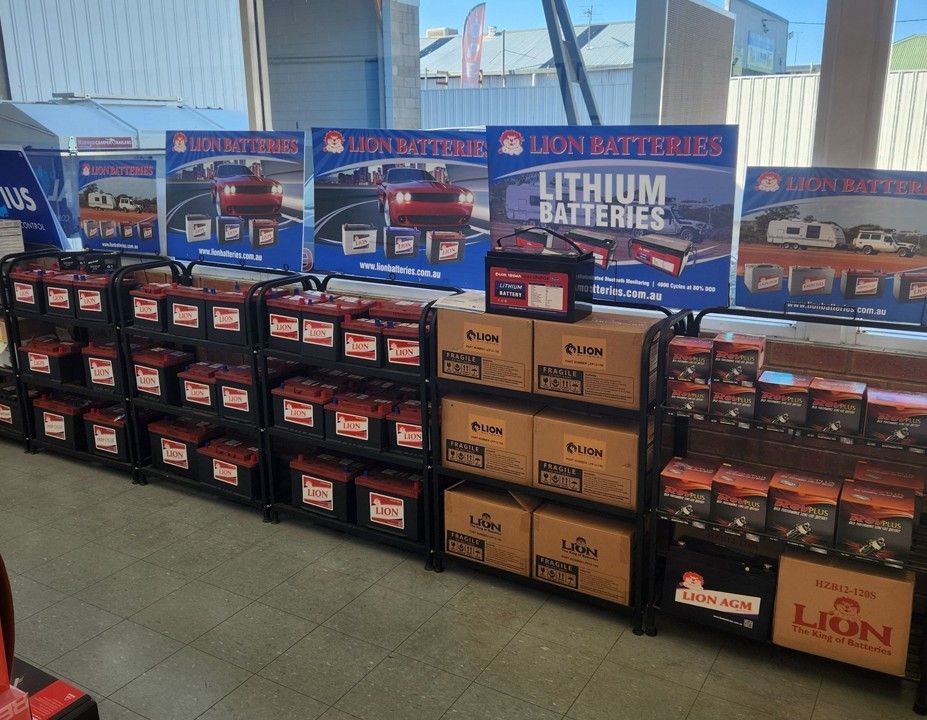
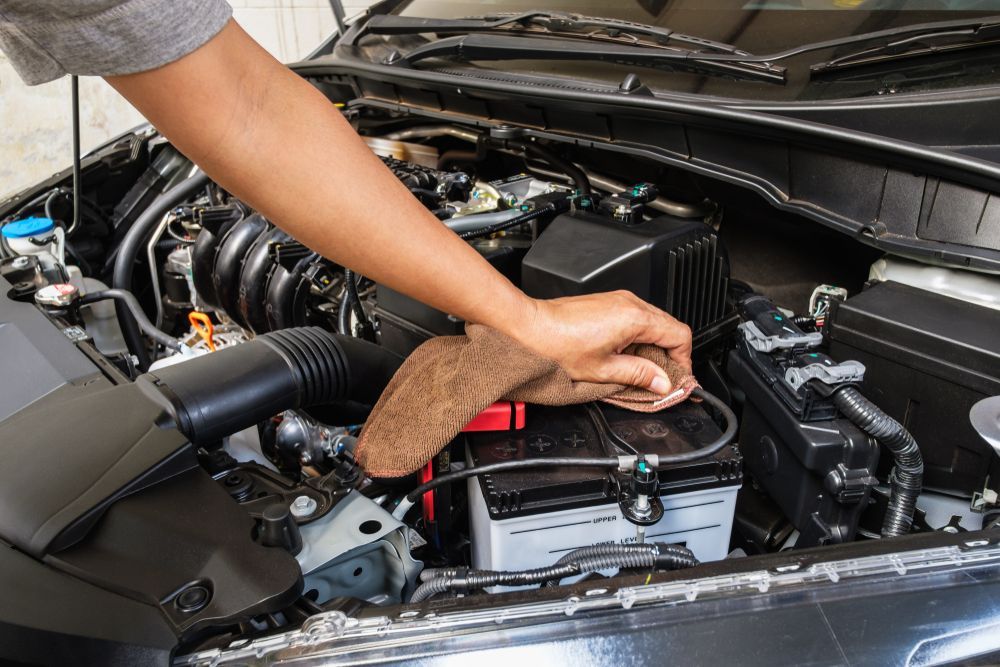
Battery Failure and Reduced Cold-Start Performance
Battery issues are one of the most common electrical problems affecting modern vehicles. When a battery begins to fail, it often shows subtle signs before completely stopping the vehicle from starting.
Typical causes include internal wear, short trips that prevent full charging and excessive load from accessories. In cooler conditions, these problems can become more noticeable as battery output drops.
Common symptoms include:
- Slow or hesitant engine cranking
- Dim interior lights when starting
- Frequent need for jump starts
- Electrical accessories resetting unexpectedly
A qualified auto electrician will typically perform load testing, inspect terminal condition and check charging system health to determine whether replacement or repair is required. Addressing battery concerns early can help prevent roadside breakdowns and further electrical strain.
Alternator and Charging System Faults
The alternator plays a central role in keeping a vehicle’s electrical system powered while driving. When it begins to fail, the battery is no longer charged properly, leading to a gradual loss of electrical reliability.
Faults may develop due to worn bearings, damaged wiring or internal regulator failure. If left unresolved, a failing alternator can cause complete electrical shutdown while driving.
Signs of alternator issues include:
- Warning lights on the dashboard
- Flickering headlights while driving
- Weak or inconsistent battery charge
- Unusual whining or grinding noises
An auto electrician in Albury can test charging output and inspect the alternator circuit to confirm whether repair or replacement is needed. Prompt attention helps prevent further strain on the battery and connected systems.
Starter Motor Wear and Intermittent Starting Issues
The starter motor is responsible for turning over the engine when the ignition is engaged. When it begins to wear, starting problems can become inconsistent, leaving drivers unsure whether the vehicle will start each time.
Wear and tear, heat exposure and electrical resistance in wiring connections can all contribute to starter motor issues.
Common indicators include:
- Clicking sound when turning the key
- Engine failing to crank intermittently
- Delayed response after ignition
- Smell of burning or electrical strain after repeated attempts
In some cases, the issue may not be the starter motor itself but the wiring or relay system connected to it. A professional diagnosis from an auto electrician ensures the correct component is identified and repaired, avoiding unnecessary part replacement.
Wiring Damage and Corrosion
Vehicle wiring systems are extensive and connect almost every electrical component. Over time, wiring can become damaged through heat, vibration, moisture exposure or rodent interference.
Corrosion is also a common issue, particularly in areas where moisture builds up around connectors or grounding points.
Typical symptoms of wiring issues include:
- Intermittent electrical faults
- Non-functioning accessories or systems
- Blown fuses without clear cause
- Flickering lights or dashboard irregularities
Repairing wiring faults requires careful tracing and testing to locate breaks or resistance points. A skilled auto electrician will repair or replace affected sections and ensure all connections are properly sealed and secured.
Lighting and Indicator System Failures
Lighting systems are critical for road safety, especially during night driving or poor weather conditions. Electrical faults in lighting systems can affect visibility and communication with other road users.
These issues may stem from blown bulbs, damaged wiring, faulty switches or control module problems.
Common lighting problems include:
- Headlights dimming or failing unexpectedly
- Brake lights not activating consistently
- Indicators flashing too quickly or not at all
- Interior lighting flickering or remaining on
An auto electrician can inspect the full lighting circuit, test switches and relays and ensure all systems are operating within safe standards. Reliable lighting is essential for compliance and safe driving.
ECU and Engine Management Electrical Faults
The Engine Control Unit (ECU) manages a range of vehicle functions, including fuel delivery, ignition timing and emissions control. When electrical faults occur within this system, the vehicle may behave unpredictably or enter limp mode.
ECU-related problems can be triggered by voltage irregularities, sensor failures or wiring issues affecting communication between systems.
Symptoms may include:
- Reduced engine performance
- Warning lights such as the check engine indicator
- Irregular idling or stalling
- Poor fuel efficiency
Accurate diagnostics are essential for ECU faults, as symptoms can overlap with other mechanical or electrical issues. A trained auto electrician uses specialised diagnostic tools to identify fault codes and trace underlying causes.
Sensor and Dashboard Warning Malfunctions
Modern vehicles rely heavily on sensors to monitor everything from engine temperature to tyre pressure. When sensors fail or send incorrect data, dashboard warnings can appear even when there is no actual mechanical fault.
Sensor issues may be caused by wiring faults, contamination or internal sensor failure.
Common signs include:
- Persistent or incorrect warning lights
- Inaccurate gauge readings
- Sudden activation of safety alerts
- Loss of driver assistance features
This is one of the areas where an auto electrician plays a key role in distinguishing between false alerts and genuine faults. Proper testing ensures that only necessary repairs are carried out, avoiding unnecessary replacements.
Parasitic Battery Drain and Hidden Power Loss
Parasitic drain occurs when electrical components continue drawing power after the vehicle has been switched off. While some systems are designed to remain active, excessive drain can flatten a battery overnight or within a short period.
Causes can include faulty relays, aftermarket accessories or wiring faults that prevent systems from shutting down correctly.
Typical indicators include:
- Battery repeatedly going flat without explanation
- Electrical accessories staying active after ignition off
- Reduced battery lifespan
- Need for frequent jump starts
Diagnosing parasitic drain requires systematic testing of circuits while the vehicle is off. This process helps identify the specific component responsible and restore normal power usage.
Faulty Ignition and Accessory Circuit Issues
Ignition and accessory circuits control power distribution to key vehicle systems such as infotainment, air conditioning and ignition components. When faults develop in these circuits, multiple systems may behave inconsistently or fail altogether.
Wear in ignition switches, damaged relays or poor connections are common causes.
Signs of circuit issues include:
- Accessories not powering on reliably
- Ignition delays or intermittent starting
- Electrical systems cutting out while driving
- Fuse failures in related circuits
These faults can be disruptive and may worsen over time if not addressed. Electrical testing helps isolate whether the issue lies in the ignition switch, wiring or connected components.
Speak to a Local Auto Electrician in Albury
We at A Plus Automotive Electrical understand how disruptive electrical issues can be when you rely on your vehicle every day. From unexpected breakdowns to warning lights that appear without warning, we provide practical diagnostic and repair solutions tailored to local driving conditions.
Whether you have noticed early warning signs or need a trusted auto electrician in Albury to assess a persistent fault, our focus is on clear testing, accurate fault finding and reliable repairs. If your vehicle is showing electrical issues or you are searching for an auto electrician near me, get in touch with us today to book a service and keep your vehicle performing safely on the road.