How Dashboard Warning Lights Point To Electrical Issues
Dashboard warning lights can be the first sign that your vehicle has an electrical or electronic fault, even when it still seems to drive normally. If you need an auto electrician Albury drivers can turn to, or you're searching for an auto electrician near me, getting persistent battery, ABS, airbag, engine or other warning lights diagnosed early can prevent a minor fault from becoming a breakdown or more complicated repair.
Modern vehicles rely on interconnected electrical systems, sensors and control modules. A warning light doesn't always tell you exactly which component has failed, but it does tell you that the vehicle has detected something outside its expected operating conditions.
What Do Dashboard Warning Lights Actually Mean?
A dashboard warning light is essentially your vehicle alerting you to a detected problem or operating condition.
Some lights are simple reminders or status indicators. Others tell you a system has detected a fault and requires attention.
The colour can provide a general indication of urgency. Red warning lights commonly indicate a problem requiring immediate attention, while amber or yellow lights often indicate a fault that should be checked soon. However, symbols and meanings vary between manufacturers, so your vehicle owner's manual should always be the first reference.
Never assume a warning light is harmless simply because the vehicle still starts and drives.
Which Dashboard Warning Lights Can Indicate Electrical Problems?
Almost any electronically monitored system can generate a warning if its sensors, wiring, power supply or control components aren't operating correctly.
Common warning lights associated with electrical or electronic faults include:
- Battery or charging-system light
- Check-engine light
- ABS warning light
- Airbag or SRS light
- Traction or stability-control light
- Electronic power-steering warning
- Tyre-pressure monitoring warning
- Lighting system warnings
- Start-stop system warnings
The light itself is only a starting point. Proper diagnosis is needed to establish whether the problem comes from a component, wiring, connector, sensor, battery, charging system or another cause.
Why Is The Battery Warning Light Important?
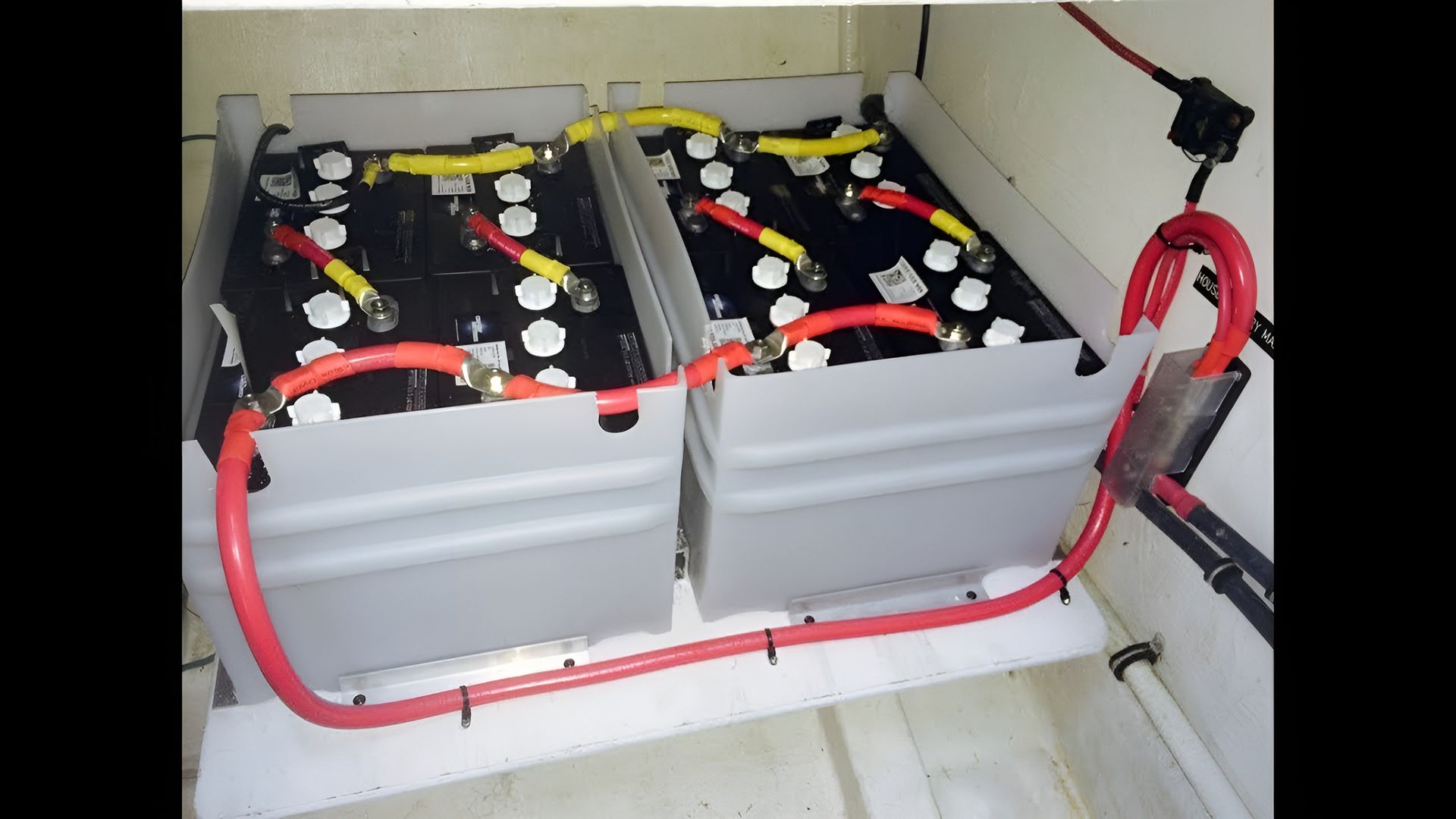
Despite its name, the battery warning light doesn't necessarily mean the battery itself has failed.
It generally indicates an issue with the vehicle's charging system. Potential causes can include an alternator problem, damaged wiring, poor electrical connections or another fault preventing the system from maintaining the correct charge.
If the alternator isn't charging properly, the vehicle may continue running temporarily using energy stored in the battery. Once that available energy falls too low, electrical systems can stop operating and the engine may eventually shut down.
What Should You Do If The Battery Light Comes On?
If the battery warning light remains illuminated while the engine is running, don't simply assume replacing the battery will fix it.
Have the charging system tested. A technician can check battery condition, charging voltage, electrical connections and other relevant components to identify the actual cause.
If the vehicle begins showing additional symptoms such as dimming lights, multiple warning messages or loss of electrical functions, find a safe place to stop and arrange professional assistance.
Can A Check-Engine Light Be Caused By An Electrical Fault?
Yes. The check-engine light can illuminate for many reasons, including faults involving sensors, wiring, connectors and electronically controlled engine systems.
Modern engine management relies on information from multiple sensors. If a sensor sends an implausible signal, loses power or can't communicate correctly with a control module, the vehicle may record a diagnostic trouble code and illuminate the check-engine light.
That doesn't mean every check-engine light is caused by an electrical problem. Mechanical and emissions-related faults can trigger it as well.
This is why reading a fault code is the beginning of diagnosis rather than the entire diagnosis.
What Does An ABS Warning Light Mean?
An ABS warning indicates the anti-lock braking system has detected a fault.
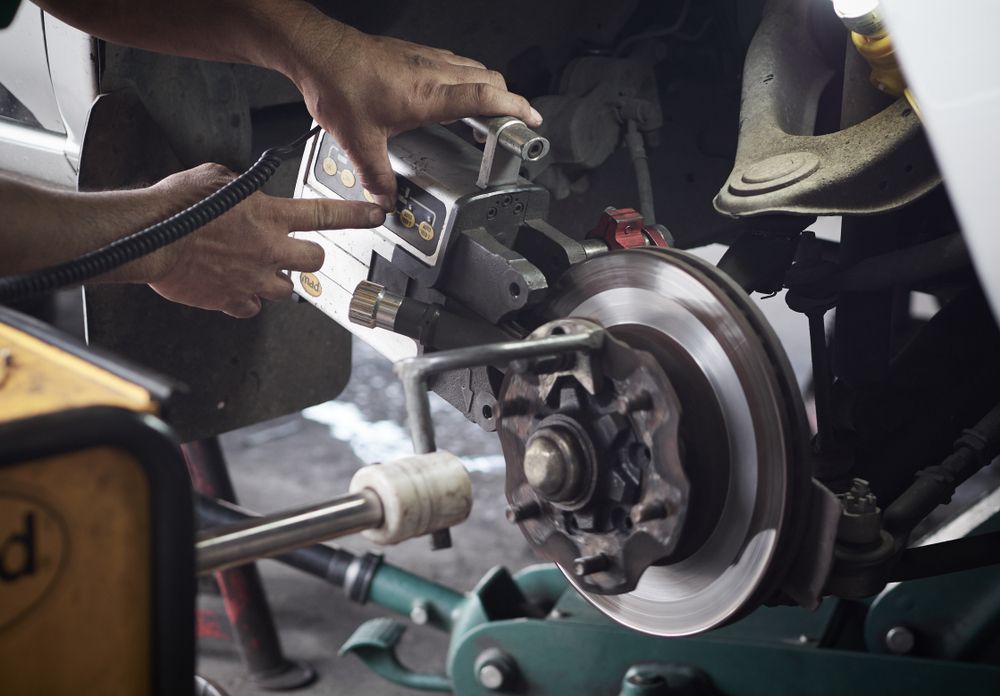
Possible causes include wheel-speed sensor problems, damaged wiring, electrical connections or faults within other ABS components. Depending on the vehicle and fault, normal braking may remain available while anti-lock functionality is affected.
Because ABS is a safety-related system, don't ignore the warning.
If a red brake warning appears as well, or braking feels abnormal, treat the situation more urgently and follow the vehicle manufacturer's guidance.
Why Does The Airbag Warning Light Need Attention?
The airbag or SRS warning light means the supplemental restraint system has detected a problem.
Modern airbag systems use sensors, wiring, connectors, control modules and other components. A fault in any relevant part of the system can trigger the warning.
Because the issue can affect the operation of safety restraints, an illuminated airbag light should be professionally diagnosed rather than ignored or simply reset.
Clearing a warning without correcting its underlying cause isn't a repair.
Can A Weak Battery Cause Multiple Dashboard Warning Lights?
Yes. Low system voltage can sometimes cause several seemingly unrelated warnings to appear.
Vehicle control modules require a stable electrical supply. If battery voltage drops too far or the charging system isn't operating correctly, different modules can record faults or behave unpredictably.
For example, a driver may start the vehicle and suddenly see warnings for several electronic systems. That can make it appear that multiple components failed simultaneously when the underlying issue may involve the vehicle's electrical supply.
A battery and charging-system test can therefore be an important early step when several warnings appear together.
Why Do Warning Lights Sometimes Come And Go?
Intermittent electrical faults can make warning lights appear unpredictably.
A damaged wire might lose contact only when the vehicle moves or vibrates. A connector affected by moisture or corrosion may behave differently as conditions change. Voltage can also vary with battery condition, electrical load and charging-system performance.
This is why "the light went away" doesn't necessarily mean the problem repaired itself.
The vehicle may store a fault code or other diagnostic information even after the dashboard light disappears. That stored information can help a technician investigate an intermittent problem.
What Other Signs Point To An Auto Electrical Problem?
Dashboard warnings aren't the only indication of electrical trouble.
Other symptoms can include:
- Slow or difficult starting
- Headlights that dim or flicker
- A battery that repeatedly goes flat
- Power windows operating intermittently
- Central locking problems
- Accessories cutting in and out
- Blown fuses
- Burning smells from electrical components
- Infotainment systems restarting unexpectedly
- Multiple unrelated warning messages
- Intermittent starting faults
One isolated symptom doesn't automatically identify the cause. Several electrical issues can produce similar behaviour, which is why testing is usually more effective than replacing components based on guesswork.
How Does An Auto Electrician Diagnose A Warning Light?
Diagnosis generally starts by gathering information about the warning and the circumstances in which it appeared.
A technician may then connect diagnostic equipment to retrieve fault codes and system data. Depending on the results, further testing can involve the battery, alternator, wiring, connectors, sensors, fuses, relays or control circuits.
Why Isn't A Fault-Code Scan Enough?
A diagnostic trouble code identifies the system or condition in which the vehicle detected a problem. It doesn't always identify the failed component.
For example, a code relating to a sensor circuit doesn't automatically prove that the sensor itself needs replacing. The actual fault could involve wiring, a connector, power supply, ground connection or another part of the circuit.
A qualified technician interprets the code, tests the relevant circuit and confirms the cause before recommending repairs.
That process helps avoid replacing expensive components unnecessarily.
Can You Keep Driving With A Dashboard Warning Light On?
It depends entirely on the warning.
Some amber warnings may allow you to drive carefully to a workshop for diagnosis. Other warnings can indicate a problem that makes continued driving unsafe or risks leaving you stranded.
A red oil-pressure warning, overheating warning or serious braking-system warning, for example, should never be treated the same way as a minor maintenance reminder.
Check the owner's manual for the specific symbol and follow its instructions.
If the vehicle loses power, overheats, handles differently, produces unusual smells or noises, or shows several serious warnings together, stop somewhere safe and seek assistance rather than continuing to drive.
When Should You Call An Auto Electrician?
Book an inspection when a warning light remains on, repeatedly returns or appears alongside other electrical symptoms.
You should also arrange diagnosis if:
- The battery repeatedly goes flat
- The vehicle becomes difficult to start
- Multiple warning lights appear at once
- Lights or accessories behave intermittently
- A fuse repeatedly blows
- The charging-system light appears
- An ABS or airbag warning stays illuminated
- The vehicle reports electrical or charging faults
Early diagnosis can be particularly useful with intermittent problems because the vehicle may still contain stored fault information that helps trace the cause.
Why Shouldn't You Just Reset The Warning Light?
Resetting a light doesn't fix the fault that triggered it.
Disconnecting the battery or clearing diagnostic codes may temporarily remove a warning, but the light can return once the vehicle detects the problem again. Clearing codes can also remove diagnostic information that may have helped a technician investigate the fault.
Instead, establish why the warning appeared.
For example, if a warning was triggered by low charging voltage, deleting the code won't repair an alternator, damaged cable or poor connection. The underlying electrical condition remains.
How Can You Reduce The Risk Of Auto Electrical Problems?
Not every electrical fault is preventable, but basic vehicle maintenance can reduce avoidable problems.
Keep the battery and charging system in good condition, particularly if the vehicle is becoming difficult to start. Have damaged wiring and electrical accessories repaired properly rather than relying on temporary connections.
If you add driving lights, a fridge, trailer wiring, communications equipment or other accessories, make sure the electrical system is correctly designed, fused and installed.
Also pay attention to small changes. Slow cranking, intermittent lights and occasional warning messages can provide useful early clues before a more obvious failure occurs.
What Should You Do When A Dashboard Warning Light Appears?
Start by identifying the symbol and checking your owner's manual. Note its colour, whether it stays illuminated and whether the vehicle behaves differently.
If the warning indicates an urgent safety or mechanical problem, stop driving as directed by the manufacturer. For persistent electrical or electronic warnings, professional diagnosis can identify the underlying fault rather than simply clearing the light.
If you're looking for an auto electrician Albury drivers can contact for dashboard warning lights and electrical faults, or you've been searching auto electrician near me because your battery, charging system or vehicle electronics are playing up, arrange an inspection with a qualified auto electrician before a developing fault leaves you stranded.
Frequently Asked Questions
Can a bad battery cause dashboard warning lights?
Yes. A weak or failing battery can cause low voltage, which may affect electronic control modules and trigger warning messages. However, the charging system and electrical connections should also be checked before assuming the battery is the only problem.
Why did all my dashboard warning lights come on at once?
Multiple warnings can sometimes result from low system voltage or a charging-system problem, although there are other possible causes. A diagnostic scan combined with battery and charging tests can help identify the underlying issue.
Can an alternator problem trigger the battery warning light?
Yes. The battery or charging warning can illuminate if the vehicle detects a problem with its charging system. The alternator is one possible cause, but wiring, connections and other components can also be responsible.
Is it safe to drive with an ABS warning light on?
An ABS warning means the anti-lock braking system has detected a fault. Because braking is safety-critical, check the owner's manual and arrange diagnosis promptly. If other brake warnings appear or braking feels abnormal, stop driving and seek assistance.
Why does my dashboard warning light disappear by itself?
An intermittent fault may only occur under particular conditions, causing the warning to switch off when the fault isn't currently detected. The vehicle may still store diagnostic information that can help a technician identify what happened.
Should I clear a dashboard warning light myself?
Clearing a warning without diagnosing the cause doesn't repair the underlying fault and may erase useful diagnostic information. It is generally better to have persistent or recurring warning lights properly investigated.