Planning A Dual Battery Setup? Ask Your Auto Electrician In Albury First
A dual battery system powers camping accessories without draining your vehicle's starting battery. However, choosing the wrong battery, charger or wiring can lead to charging problems and costly repairs. Consulting an experienced auto electrician in Albury before installation helps ensure your 4WD or caravan has a reliable power setup for your next adventure.
How Does A Dual Battery System Work?
A dual battery system uses two batteries for different purposes. The main battery starts your vehicle, while an auxiliary battery powers accessories such as camping fridges, lights and water pumps.
A battery isolator or DC-DC charger manages charging and helps prevent accessories from draining the starting battery when the engine is off. Modern 4WDs often require DC-DC chargers because their smart alternators can vary charging voltage. A suitable charger regulates power delivery to the auxiliary battery, helping it charge correctly.
Why Does Your Alternator Matter?
Your alternator's available output affects which charging equipment will work effectively.
Some modern alternators reduce voltage during driving, potentially leaving an auxiliary battery undercharged without appropriate charging equipment. An
auto electrician in Albury assesses alternator behaviour, electrical demand and battery requirements before selecting a suitable DC-DC charger.
What Do I Need For A Dual Battery System?
A reliable dual battery setup requires compatible components, not just a second battery.
Essential equipment includes:
- Auxiliary battery: Stores power for camping accessories.
- DC-DC charger or isolator: Manages charging and battery separation.
- Correctly sized wiring: Minimises voltage drop and overheating.
- Fuses & circuit protection: Protect against electrical faults.
- Secure battery mounting: Prevents movement during travel.
- Accessory outlets: Connect fridges, lighting and other equipment.
Solar charging and battery monitoring can also benefit campers planning extended trips.
Should You Choose AGM or Lithium?
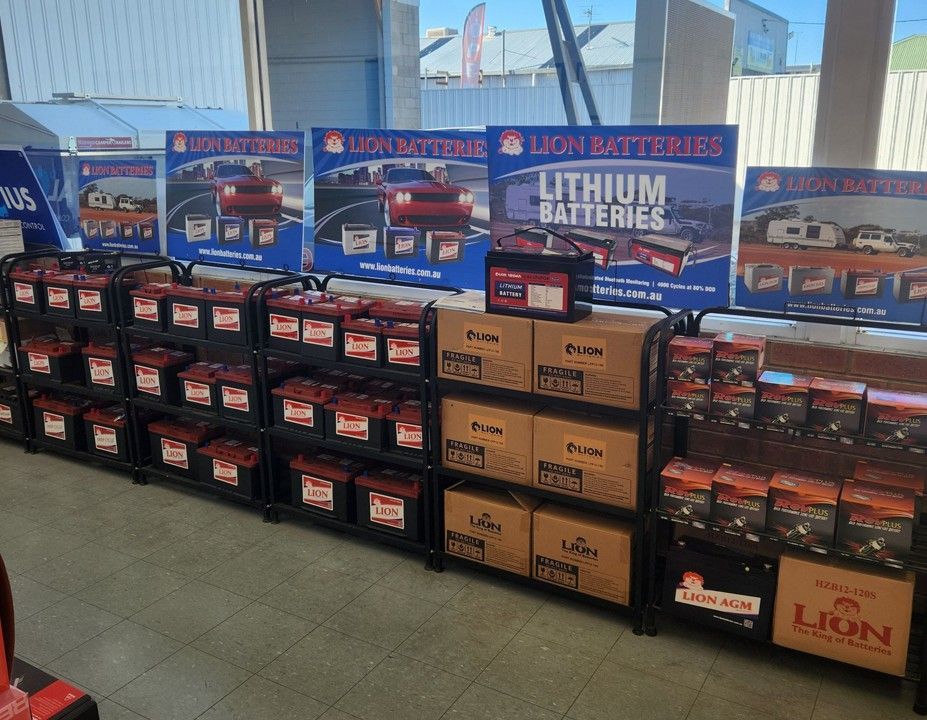
AGM batteries generally cost less upfront and suit basic camping setups. However, they're heavier and provide less usable capacity than comparable lithium batteries.
Lithium batteries offer lower weight, greater usable capacity and potentially faster charging. They cost more and require compatible charging equipment.
Battery chemistry directly affects charger selection. AGM and lithium batteries have different charging requirements. Using an incompatible charger can cause undercharging, battery management system faults or potential battery damage.
Why Are Cable Sizing & DC-DC Chargers Important?
Incorrect cable sizing can cause excessive voltage drop, overheating and unreliable charging.
Cable requirements depend on current, cable length, installation conditions and acceptable voltage drop. Likewise, DC-DC charger selection must account for the alternator's available output and the auxiliary battery's charging limits.
For example, fitting a high-current charger without checking the vehicle's available charging capacity may overload its electrical system. A qualified auto electrician ensures the wiring, charger and battery work together safely.
How Much Does A Dual Battery System Cost?
Dual battery installation costs vary depending on battery type, charging equipment and installation complexity. A basic AGM system generally costs less than a lithium setup with DC-DC charging, solar integration and battery monitoring.
Key cost factors include:
- Battery capacity & chemistry
- DC-DC charger specifications
- Cable lengths & installation location
- Battery mounting requirements
- Additional outlets & solar equipment
- Installation labour & testing
For example, a weekend camper running one fridge may need a smaller system than a family operating multiple appliances during extended touring.
Requesting a vehicle-specific quote helps you avoid unnecessary equipment while ensuring adequate power capacity.
Why Should You Consult An Auto Electrician In Albury Before Installation?
Professional advice helps prevent incompatible components, incorrect wiring and unreliable charging.
An auto electrician typically follows these steps:
- Inspect the vehicle: Assess alternator behaviour and existing electrical components.
- Calculate power needs: Determine expected accessory consumption.
- Select equipment: Match the battery, charger and wiring to the vehicle.
- Install components: Secure equipment and provide suitable circuit protection.
- Test performance: Verify charging operation and accessory power delivery.
For a professionally planned
dual battery installation in Albury,
A Plus Automotive Electrical can help you choose equipment suited to your vehicle and touring requirements.
Can Incorrect Installation Drain Your Starting Battery?
Yes. Faulty isolation equipment, incorrect wiring or unexpected electrical loads can discharge your starting battery. A properly configured system protects the starting battery by separating it from auxiliary loads when required.
If your vehicle already experiences electrical problems, investigate them before installation. Learn more about
battery drain issues affecting vehicles and when professional diagnosis is necessary.
What Should You Consider For A Dual Battery Setup In Albury-Wodonga?
Your camping habits influence the battery capacity and charging equipment you'll need.
Frequent driving provides regular alternator charging opportunities. However, extended stays at campsites may require solar charging or additional battery capacity.
Battery location also matters. Under-bonnet installations face different heat and space considerations from batteries mounted in a canopy or caravan.
How Much Battery Capacity Do You Need?
Calculate your expected daily electricity consumption before choosing a battery. For example, a 12V camping fridge averaging 2 amps over 24 hours consumes approximately 48 amp-hours (Ah) daily. Lighting and other accessories increase that requirement.
Actual consumption varies with temperature and usage. An auto electrician can help estimate your needs and recommend suitable battery capacity.
Can You Install A Dual Battery System In A Caravan?
Yes. Caravans commonly use auxiliary batteries for lighting, fridges, water pumps and other 12V accessories. However, long cable runs between the tow vehicle and caravan can create voltage drop. Correct wiring, suitable connectors and compatible charging equipment are essential.
A DC-DC charger can help regulate charging at the caravan battery when installed with an appropriately designed supply circuit. For dual battery installation in Wodonga and surrounding areas, assessing both the tow vehicle and caravan helps ensure compatibility.
If you're looking for a
caravan electrician in Lavington, A Plus Automotive Electrical can assist with caravan electrical requirements and touring power setups.
Is Professional Dual Battery Installation Worth It?
Professional installation helps reduce the risk of electrical faults, charging problems and premature equipment failure. An experienced auto electrician understands how alternators, battery chemistry and charging equipment interact. They can also check cable sizing, circuit protection and mounting security.
According to industry best practice, reliable dual battery installations require compatible components and verified charging performance. Dual battery work is also part of
our auto electrical services.
Get Your Dual Battery Setup Right Before Your Next Trip
A reliable dual battery system starts with the correct battery, compatible charger and properly sized wiring. Professional installation helps protect your equipment and deliver dependable camping power.
If you're planning a 4WD or caravan upgrade around Albury, Wodonga or Corowa, contact A Plus Automotive Electrical to discuss a dual battery system installation suited to your vehicle and touring needs..
Frequently Asked Questions
How does a dual battery system work in a 4WD?
An auxiliary battery powers camping accessories while a charger or isolator manages charging and protects the vehicle's starting battery.
What do I need for a dual battery system?
You'll need an auxiliary battery, suitable charger or isolator, correctly sized wiring, fuses and secure mounting. Solar charging is optional.
How much does a dual battery system cost?
Costs depend on battery chemistry, capacity, charging equipment and installation complexity. Request a vehicle-specific quote for accurate pricing.
Is lithium better than AGM for camping?
Lithium offers lower weight and greater usable capacity, while AGM generally costs less upfront. The best choice depends on your budget and power needs.
Can a dual battery system damage my alternator?
An incorrectly designed system can overload the charging system. Proper charger selection and installation help manage electrical demand.